


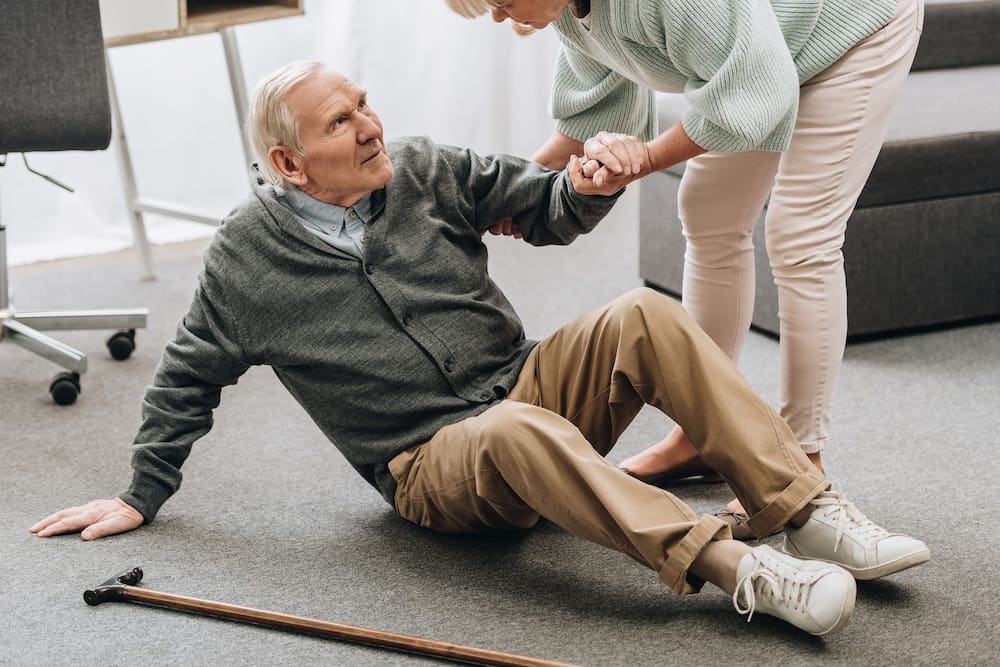
As our parents age, their physical abilities and balance may decline, making them more prone to falls. While occasional trips or slips are common, frequent falls can indicate underlying health issues or hazards in their environment. Understanding how to address and prevent falls can significantly improve their safety and quality of life.
Common Causes of Falls in the Elderly
To effectively mitigate the risk of falls, it’s important to understand common contributing factors:
– Muscle Weakness: Age-related muscle atrophy can make it difficult for older people to maintain their balance.
– Medications: Certain medications can cause dizziness or drowsiness.
– Vision Problems: Poor eyesight can result in tripping over unseen objects.
– Chronic Conditions: Conditions such as arthritis, diabetes, and Parkinson’s disease can impair balance and coordination.
– Environmental Hazards: Clutter, uneven flooring, poor lighting, and loose rugs can cause trips and falls.
Assessing Your Parent’s Fall Risk
Before implementing any preventive measures, it’s essential to assess the specific risks your parent might face:
Physical Assessments
– Medical Checkup: Schedule a visit to their healthcare provider to evaluate their overall health, review medications, and address any chronic conditions.
– Vision and Hearing Tests: Regular checkups can help catch any deteriorating senses that might contribute to falls.
– Balance and Gait Evaluation: A physical therapist can assess their walking pattern and recommend exercises to improve their stability.
Environmental Assessments
– Home Safety Evaluation: Go through their home to identify and correct potential hazards. This might include removing clutter, securing loose carpets, and ensuring adequate lighting.
Preventive Measures and Solutions
After identifying the risks, the next step is to implement preventive measures:
Physical Aids and Modifications
– Mobility Aids: Equip your parent with walkers, canes, or other mobility aids to provide additional support.
– Home Modifications: Install grab bars in bathrooms, handrails on stairs, and non-slip mats in potentially wet areas.
– Wear Proper Footwear: Shoes should have non-slip soles and provide adequate support.
Exercise and Rehabilitation
Regular physical activity can significantly reduce the risk of falls by improving strength, balance, and coordination:
– Strengthening Exercises: Encourage your parent to perform exercises that target muscles used for balance.
– Balance Training: Activities like Tai Chi or specific balance exercises can enhance steadiness.
– Physical Therapy: A physical therapist can develop a tailored exercise program and monitor progress.
What to Do When Your Elderly Parents Keep Falling
If falls continue despite preventive measures, it can be a distressing and challenging situation. Understanding what to do when your elderly parents keep falling can include several important steps:
– Medical Reevaluation: Return to their healthcare provider to reassess their health. There might be new underlying issues that need addressing.
– Adjustments to Medication: Review all medications with a doctor to identify any that might contribute to dizziness or balance issues.
– Professional Care: In some cases, hiring professional caregivers or seeking assisted living options might be necessary to ensure their safety.
Tips for Caregivers
Caring for elderly parents can be demanding. Here are some practical tips:
– Communicate Openly: Discuss their fears and preferences regarding falls and safety measures.
– Stay Informed: Keep up to date with best practices for fall prevention and caregiving.
– Support Networks: Engage with local caregiving groups for emotional and practical support.
Conclusion
Ensuring the safety of our aging parents is a priority, especially when it comes to preventing falls. By understanding the common causes, assessing risks, and implementing effective preventive measures, we can help our parents maintain their independence and well-being. While dealing with frequent falls can be challenging, consistent effort and proper planning can make a significant difference.
Did you find this helpful? Check out our other helpful articles on our website.
Read Also
- What You Need to Know About Dental Fluorosis
 Have you noticed chalky white spots on your teeth when you look in the mirror? You might have a common condition called dental fluorosis, which drastically changes the way your tooth enamel looks. This mostly happens when young children consume too much fluoride while their adult teeth actively grow beneath the gums. While fluoride undoubtedly… Read more: What You Need to Know About Dental Fluorosis
- What Makes Permanent Tooth Replacement A Life-Changing Option?Missing teeth can cause serious discomfort and lower your self-esteem. Many people struggle with everyday tasks like eating meals and speaking clearly to friends. Traditional dentures offer a quick fix but often slip or feel completely unnatural. A modern approach provides a secure fit that feels exactly like real teeth – giving you true peace… Read more: What Makes Permanent Tooth Replacement A Life-Changing Option?
- Where to Find Reliable Mental Health Support for TeensHave you noticed changes in your teen’s mood, sleep, or behavior that leave you worried? Growing up can bring stress from school, friends, family, and new demands. Some teens may struggle to share their feelings or ask for help, even when they need support. Finding the right mental health support for teens can help them… Read more: Where to Find Reliable Mental Health Support for Teens
- Top Trends Shaping the Future of Mental Health CareMental health care is moving fast to meet daily human needs. People want direct care that fits modern life. Clinics respond by creating flexible options that make healing easier to reach. Providers look past rigid habits to give people solid care. From smart tools to body wellness, these changes help people find relief when life… Read more: Top Trends Shaping the Future of Mental Health Care
- Full-Arch Dental Tourism: Why UK Patients With Severe Bone Loss Are Looking AbroadDental implants have become one of the fastest-growing segments of private dentistry. Within that market, one patient group behaves very differently from the rest: people who have been told they do not have enough upper jawbone for conventional implants. For these patients, the choice is rarely between one clinic and another. It is between a… Read more: Full-Arch Dental Tourism: Why UK Patients With Severe Bone Loss Are Looking Abroad
- Levels of Mental Health Care and When to Seek SupportMental health care can range from occasional outpatient appointments to 24-hour hospital treatment. The appropriate level depends on safety, symptom severity, daily functioning, medical needs, available support, treatment history and personal preferences. A licensed clinician should assess these factors rather than relying on a symptom list alone. Need help now? In the United States, call… Read more: Levels of Mental Health Care and When to Seek Support
- How to Choose a Shilajit Brand Based on the ResearchIn a randomized trial published in the Journal of the International Society of Sports Nutrition in 2019, 63 active men took 250 mg of standardized shilajit, 500 mg, or a placebo every day for eight weeks, and the benefit for strength retention after a fatiguing workout appeared only at 500 mg. For anyone choosing a… Read more: How to Choose a Shilajit Brand Based on the Research
- How to Incorporate Relaxation into Your Busy ScheduleFinding balance when you have a packed daily agenda often feels out of reach. Between work duties, family obligations, and personal projects, personal rest usually gets pushed to the bottom of the list. Small, intentional shifts in daily habits can help restore calm without requiring hours of extra free time. Continue reading to discover everything… Read more: How to Incorporate Relaxation into Your Busy Schedule